
The Real Pros and Cons of Multigenerational Living
Quick Summary: The pros and cons of multigenerational living come down to trade-offs between support and privacy. On the plus side, families share costs, chores, and caregiving, and build closer bonds. On the downside, busier households, added caregiving stress, and potential disagreements are real challenges to plan for. With 17% of homebuyers purchasing a multigenerational home in 2025, it's a trend worth understanding before you decide if it's right for your family.
In today's world, many families are considering living arrangements that offer greater flexibility and support. Factors like economic uncertainty, remote learning at colleges, and past pandemic-related complications have made multigenerational living more appealing than ever.
But what are the real pros and cons of multigenerational living, and is it the right move for your family?
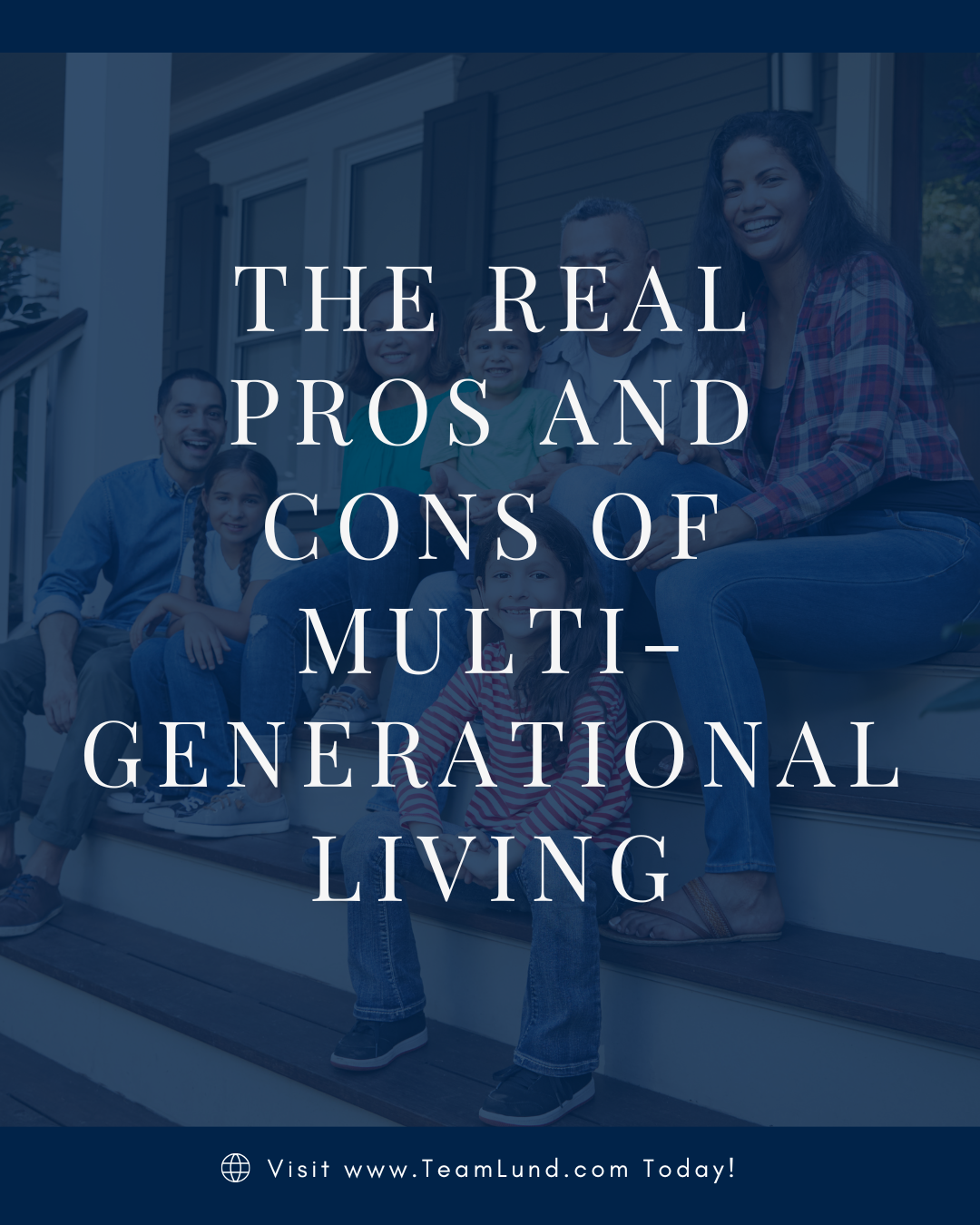
What Is Multigenerational Living?
Also known as living in a "next-gen" home, multigenerational living means two or more generations sharing one house, with private spaces and shared areas built in to support both independence and togetherness. The U.S. Census Bureau defines a multigenerational family as one with more than two generations living under the same roof. This isn't a niche arrangement either. Recent housing data shows 17% of all homebuyers purchased a multigenerational home in 2025, and these households show notably higher rates of homeownership than the general population. Let's look at the real upsides and downsides of this growing living arrangement.
The Pros of Multigenerational Living
Financial Benefits
One of the most attractive benefits of multigenerational living is the financial relief it offers. With more adults contributing to the household, the burden of a mortgage, utilities, and food costs is shared, easing the overall financial load. This setup is especially helpful during uncertain times, such as economic downturns, when income loss becomes a real concern. Having additional income streams in the home helps mitigate that stress.
Shared Responsibilities
When you have more family members under one roof, household chores can be divided more efficiently. This means more time for self-care, side hustles, or simply taking a much-needed break from the daily grind. With everyone pitching in, the workload becomes more manageable, reducing stress for the primary caregivers or workers in the household.
Elder and Childcare Solutions
As loved ones age, they often require more care and attention. A multigenerational home allows for this care to be provided by family, removing the need for costly outsourcing. Likewise, childcare expenses can be a financial burden, but with other adults in the home, the cost of professional childcare can be significantly reduced. Having family members available to help with both eldercare and childcare can be a game changer for many households.
Family Bonding
One of the most rewarding aspects of multigenerational living is the opportunity to build stronger family connections. While it may come with challenges, such as navigating different schedules and personalities, living under one roof provides the chance for meaningful family time. The bonds formed through shared experiences are invaluable and create memories that will last a lifetime.
The Cons of Multigenerational Living
Added Stress from Healthcare Needs
While multigenerational living can alleviate some stress, it can also add new challenges, especially for parents caring for both young children and aging parents with healthcare needs. It's important to consider the healthcare requirements of elderly family members when deciding whether multigenerational living is a good fit. Without clear planning, these added responsibilities can become overwhelming for parents.
Adjusting to a Busier Household
Grandparents who are used to a peaceful, quiet environment might struggle with the increased noise and activity of children running around. The constant hustle and bustle of daily life, including homework and sibling disagreements, can be a difficult adjustment. Families should consider how these dynamics will affect the overall atmosphere in the home.
Family Disagreements
Living with extended family members can lead to disagreements and miscommunications, which may cause tension in the household. To prevent uncomfortable living situations, it's important to establish clear communication channels. If family members cannot openly discuss concerns or resolve conflicts, the living arrangement may become strained.
Increased Household Responsibilities
While more people in the home mean more hands to help, it also means more chores. If there isn't a fair and clear division of labor, household tasks may pile up or become unevenly distributed, leading to resentment. Ensuring that everyone contributes equitably to household upkeep is key to maintaining harmony in a multigenerational household.
What Features Should You Look for in a Multigenerational Home?
Not every home is built to support this lifestyle, so knowing what to look for makes a real difference in daily life once you move in. A few features tend to matter most:
Private Entrance
A separate entrance for the secondary living space gives everyone more independence and privacy, even under one roof, and it's one of the first things to check when touring a multigenerational floor plan.
Second Kitchen or Kitchenette
A full or partial second kitchen means each generation can cook on their own schedule without stepping on each other's toes. This is often the single biggest factor in how well a multigenerational setup works day to day.
First-Floor Primary Suite
For aging parents or anyone with mobility concerns, a bedroom and full bathroom on the main level, without stairs, makes a home far more livable long term.
Separate Living Areas
A second living room, den, or bonus space gives each generation somewhere to unwind on their own terms, which goes a long way toward preventing the friction that comes with too much togetherness.
How to Find a Multigenerational Home in Fair Oaks and Sacramento
Multigenerational homes come in many shapes and sizes, and what works for your family will depend on your specific needs, budget, and the local homes available. Pew Research Center's ongoing tracking shows this arrangement has become increasingly common across nearly every age group and background, so you're in good company if you're considering it.
Whether you're looking for a home that accommodates multiple generations or simply want to explore your options, Team Lund is dedicated to helping you find your ideal living situation in Fair Oaks and the greater Sacramento area. We offer a wide range of free resources to get you started on your journey. Don't hesitate to reach out to us today for guidance or to start browsing homes that fit your family's needs.
Weighing the pros and cons of multigenerational living is a personal decision, but you don't have to figure out the right floor plan or neighborhood alone. Here's a quick recap to help you decide if it's the right fit for your family.
At a Glance: The Pros and Cons of Multigenerational Living
Pros: shared costs, shared chores, built-in elder and childcare support, and stronger family bonds
Cons: added caregiving stress, busier households, potential disagreements, and uneven division of labor
Nationally, 17% of homebuyers purchased a multigenerational home in 2025, and these households show higher rates of homeownership
Look for a private entrance, a second kitchen, a first-floor primary suite, and separate living areas when touring homes
Team Lund can help you find the right multigenerational floor plan in Fair Oaks and Greater Sacramento
Related Posts From Team Lund
Have you ever considered living in a multigenerational house? Why or why not?
Share your thoughts with us on Facebook or Instagram; we'd love to hear from you.
